
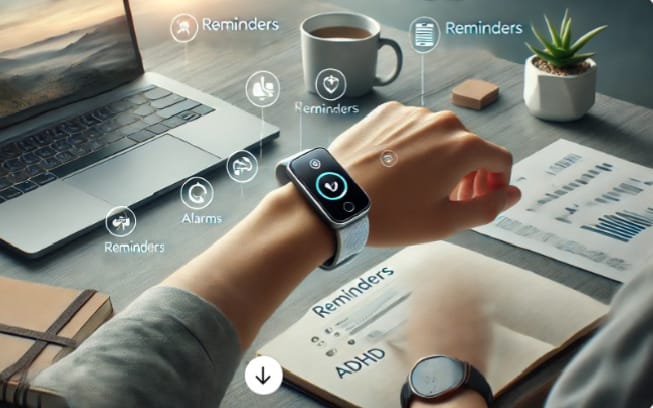
How Reminder Watches in Fitness Trackers Benefit ADHD: A Comprehensive Guide
Introduction
Attention Deficit Hyperactivity Disorder (ADHD) affects millions of people globally, making daily life a challenge in terms of managing time, staying organized, and maintaining focus. Whether it’s remembering appointments, sticking to routines, or concentrating on tasks, individuals with ADHD often struggle to keep up with life’s demands. Fortunately, technology has provided new solutions, with fitness trackers equipped with reminder watches emerging as helpful tools for people with ADHD.
These devices, designed primarily to monitor health, now come with features like alarms, task reminders, and timers that can help ADHD individuals manage their day more effectively. In this article, we’ll explore how reminder watches in fitness trackers can benefit those with ADHD, offering practical solutions for common struggles.
Common ADHD Challenges in Daily Life
Before diving into the specific benefits of reminder watches, it’s important to understand the common challenges that individuals with ADHD face in daily life:
- Time Management and Procrastination: ADHD often makes it difficult to keep track of time, leading to procrastination and missed deadlines.
- Forgetting Tasks and Appointments: Memory lapses are frequent, resulting in forgotten tasks, missed meetings, or even medication doses.
- Inability to Maintain Routines: Sticking to a routine can feel impossible for many with ADHD, leading to a lack of structure in daily life.
- Struggling with Focus: Concentrating on tasks or staying on track is a common challenge, whether it’s during work, study, or even daily chores.
- Physical Inactivity: Many people with ADHD struggle to stay physically active, which can exacerbate symptoms of restlessness and inattention.
- Overwhelm from Notifications: While notifications can be helpful, for some ADHD sufferers, too many alerts can cause anxiety and overwhelm, making it hard to prioritize tasks.
How Fitness Trackers with Reminder Watches Address ADHD Concerns
Fitness trackers equipped with reminder watches provide valuable tools that address these specific challenges, offering innovative ways to improve daily functioning.
1. Time Management Solutions
Fitness trackers with customizable timers and alarms help users break down tasks into manageable chunks. Many individuals with ADHD benefit from using methods like the Pomodoro Technique, where they set a timer for focused work followed by short breaks. Devices such as the Apple Watch or Fitbit allow users to set timers that vibrate when it’s time to switch tasks, helping prevent hyperfocus on a single activity.
2. Staying Organized with Task Reminders
Reminder watches offer built-in alarm systems that can be synced with smartphones, helping users remember important appointments, tasks, and even medication doses. For example, the **Apple Watch** syncs with your calendar to send reminders about meetings or deadlines throughout the day. These devices also let users set recurring reminders, making it easy to create structure and consistency for daily routines.
3. Building and Maintaining Routines
People with ADHD often struggle to maintain routines, whether it’s remembering to eat regularly, hydrate, or stick to an exercise plan. Fitness trackers like the **Fitbit Charge Series** come with **habit-tracking features** that send gentle reminders throughout the day to complete specific activities. Whether it’s prompting you to stand, stretch, drink water, or get moving, these trackers help ADHD users stay on track and achieve their goals.
4. Improving Focus and Concentration
For those struggling with distractions, many fitness trackers offer a Focus Timer feature, allowing users to set time blocks for concentrated work. Devices like the Garmin Vivosmart can also activate Do Not Disturb modes, minimizing interruptions by blocking incoming notifications during work or study sessions. This helps ADHD users create a distraction-free environment, leading to better focus.
5. Encouraging Physical Health
Physical activity is essential for managing ADHD symptoms, as regular exercise helps improve attention, reduce impulsivity, and regulate mood. Fitness trackers, which were originally designed for this purpose, excel at encouraging movement. Many devices prompt users to stand, walk, or engage in brief activities when they’ve been sedentary for too long. By helping users stay active, devices like Fitbit or Garmin can positively impact ADHD symptoms.
6. Reducing Notification Overwhelm
Though reminders are helpful, too many notifications can cause anxiety or become overwhelming for individuals with ADHD. Fitness trackers offer a solution by allowing users to **customize their reminders** and notifications, filtering out unnecessary alerts and setting vibration patterns for important tasks. This way, users can prioritize essential tasks without getting distracted by irrelevant notifications.
7. Gentle Alarms for Stress-Free Waking
For ADHD individuals who struggle with waking up on time, fitness trackers offer a helpful solution: vibrating alarms. Watches like the Fitbit and Garmin can be set to vibrate gently, waking the wearer without the jarring noise of traditional alarms. This silent, tactile approach helps ADHD users start the day less stressed and more focused.
Popular Fitness Trackers for ADHD Users
Not all fitness trackers are created equal, and finding the right one is key to successfully managing ADHD. Here are some popular options based on user experiences and community recommendations:
- – Apple Watch: Highly praised for its ability to sync with other Apple devices and productivity apps like calendars and reminders. It also offers customizable timers and focus modes.
- – Fitbit Charge Series: A great choice for fitness enthusiasts with ADHD. The device tracks movement, offers silent alarms, and provides custom notifications for staying on task.
- – Garmin Vivosmart: Known for its gentle vibrating alarms, this tracker is ideal for those who want a balance between fitness tracking and task reminders.
- – Samsung Galaxy Watch: Offers multitasking capabilities, allowing users to manage notifications and tasks while staying connected to other devices.
Practical Tips for Maximizing Fitness Tracker Benefits for ADHD
To make the most of a fitness tracker, ADHD users should consider the following tips:
- Set Up Smart Notifications: Customize alerts to only receive reminders for important tasks, reducing overwhelm from unnecessary notifications.
- Use Habit-Tracking Features: Consistently track daily routines such as hydration, meals, and movement to build structure and accountability.
- Integrate with ADHD-Friendly Apps: Sync your fitness tracker with apps like Todoist or Google Keep to ensure reminders for essential tasks are always within reach.
- Leverage Silent Alarms: Use vibrating alarms to wake up stress-free or receive gentle reminders without interrupting focus.
Conclusion
Reminder watches in fitness trackers offer powerful tools for individuals with ADHD to manage daily life with more ease and effectiveness. From time management solutions to habit tracking and focus enhancement, these devices can transform how ADHD individuals approach their day. Whether it’s staying on top of tasks, maintaining a healthy routine, or reducing anxiety, the benefits of fitness trackers are clear.
By choosing the right device and customizing its features, those with ADHD can find newfound control, structure, and confidence in their ability to tackle life’s demands. Technology, when used thoughtfully, can be a game-changer in managing ADHD symptoms and improving overall well-being.