
How Reminder Watches Can Boost Focus for Individuals with ADHD
1. Introduction
Attention Deficit Hyperactivity Disorder (ADHD) is a neurological condition that affects millions of individuals worldwide, often causing significant challenges in managing time and maintaining focus. People with ADHD commonly struggle with organization, time perception, and staying on task, which can impact their daily lives, work, and relationships. These difficulties are compounded by forgetfulness and distractibility, leading to missed appointments, procrastination, and frustration.
To combat these challenges, technology has introduced a variety of tools designed to help individuals with ADHD improve their time management and focus. Among these, reminder watches have become particularly useful. These specialized watches allow users to set customizable alarms and notifications that serve as reminders for tasks, appointments, and even medication, providing much-needed structure and routine throughout the day.
By integrating technology into ADHD management, reminder watches act as effective focus improvement tools. They offer auditory, visual, and tactile cues, helping individuals stay on track, break down tasks, and reduce distractions. Whether it’s for students, professionals, or parents, reminder watches are a simple yet powerful solution for those seeking better control over their time and daily activities while managing ADHD.
2. What Are Reminder Watches?
Reminder watches are powerful tools designed to help individuals, especially those with ADHD, manage their time, tasks, and daily routines. These wearable devices function by delivering customizable alerts, alarms, and notifications to remind users of essential tasks, appointments, or even medication. For people with ADHD, who often struggle with time perception and staying on track, reminder watches offer a practical solution to improve focus and productivity.
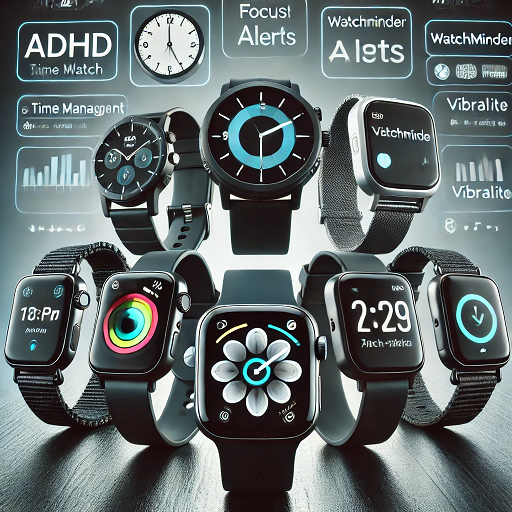
There are different types of reminder watches available, ranging from simple timer-based models to advanced smartwatches. Smartwatches, like the Apple Watch or Fitbit, often come equipped with apps that sync with calendars and task management systems. They provide notifications through vibrations, sound alerts, or visual cues. On the other hand, basic reminder watches, such as the WatchMinder or Vibralite, are designed specifically for reminders, offering simpler yet effective solutions.
These watches are particularly useful as ADHD productivity tools because they break down overwhelming tasks into manageable steps, improving time management. With the ability to set reminders for daily activities, reminder watches encourage routine-building, helping individuals stay organized and focused throughout the day. Whether using a simple or high-tech option, a reminder watch can transform how individuals with ADHD approach daily tasks.
3. ADHD and Time Management Struggles
– Common ADHD symptoms affecting time management and focus
– Forgetfulness, procrastination, and poor time perception as key challenges
– Real-life examples of how ADHD impacts daily routines
4. How Reminder Watches Improve Focus for Individuals with ADHD
Customizable Alarms and Reminders to Manage Tasks and Deadlines
Reminder watches allow users to set personalized alarms and notifications to keep track of important tasks, appointments, and deadlines. For individuals with ADHD, this feature is crucial in preventing forgetfulness and procrastination, making it easier to stay on top of daily responsibilities.
Visual and Audio Cues to Break Down Tasks and Avoid Overwhelm
By using a combination of visual and audio alerts, reminder watches help break down large tasks into manageable steps. These cues act as gentle nudges, preventing users from feeling overwhelmed and ensuring they can focus on one step at a time.
Encouraging Routine-Building and Habit Formation with Regular Reminders
Reminder watches play an essential role in building consistent routines. Regularly scheduled alerts encourage users to form productive habits, such as waking up on time, starting work sessions, or completing daily chores, which can be particularly helpful for managing ADHD.
Improved Medication Management Through Scheduled Notifications
Individuals with ADHD often struggle with remembering to take medication on time. Reminder watches solve this problem by allowing users to set daily notifications for medication, helping ensure consistent adherence to prescribed treatments.
Use Cases: Focus During Study/Work, Remembering Appointments, Improving Self-Care
Reminder watches can be used across various settings, such as improving focus during study or work sessions, remembering important appointments, and enhancing self-care routines. These features help ADHD individuals stay organized, reducing stress and improving overall well-being.
5. Key Features to Look for in a Reminder Watch for ADHD
- Easy-to-use interface
- Customizable reminders (vibration, audio, visuals)
- Long battery life for all-day support
- Compatibility with apps for task management (e.g., Google Calendar, Todoist)
- Durability and comfort for everyday wear
- Water resistance for active lifestyles
6. Top Reminder Watches for ADHD in 2024
When it comes to managing ADHD, reminder watches have become essential tools for improving focus and time management. In 2024, several models stand out, catering to different needs and preferences.
1. Smartwatches:
Apple Watch: Known for its seamless integration with apps like Calendar and Reminders, the Apple Watch offers highly customizable notifications and health tracking features.
Pros: Advanced features, sleek design.
Cons: Expensive, not ADHD-specific.
Price: $250–$400.
Garmin: Offers robust fitness tracking with reminders, ideal for active individuals.
Pros: Long battery life, fitness-centric.
Cons: Fewer mental health features.
Price: $150–$350.
Fitbit: Equipped with reminder apps and health monitoring, Fitbit is affordable and user-friendly.
Pros: Affordable, lightweight.
Cons: Limited app functionality compared to Apple Watch.
Price: $100–$200.
2. ADHD-Specific Watches
WatchMinder: Designed specifically for ADHD, it offers discreet reminders with vibration.
Pros: ADHD-focused, easy to use.
Cons: Basic design, no apps.
Price: $80–$100.
Pavlok: Uses vibration and mild shocks to reinforce habits.
Pros: Effective for behavior modification.
Cons: Controversial shock feature.
Price: $200.
Vibralite: Offers vibration alerts for task reminders, ideal for those needing sensory prompts.
Pros: Simple, reliable.
Cons: Limited features.
Price: $50–$70.
In 2024, there are a variety of reminder watches available for ADHD, offering different features and price points to suit individual needs.
7. Benefits of Using Reminder Watches for ADHD
- Increased productivity and focus
- Enhanced routine-building and time management
- Reduced forgetfulness and distractions
- Lower anxiety about missing tasks or appointments
- Improved overall mental health and sense of accomplishment
8. Tips for Using a Reminder Watch Effectively
– How to set up reminders that work (prioritize tasks, short intervals, etc.)
– Syncing with task management apps for better organization
– Gradually incorporating reminder systems to avoid overwhelm
– Establishing daily routines for long-term success
9. Conclusion
Reminder watches offer a practical and effective solution for individuals with ADHD, helping them manage time, stay organized, and improve focus. With customizable alarms, notifications, and task scheduling features, these watches provide structure to daily routines, reducing distractions and forgetfulness. Whether you choose a high-tech smartwatch like the Apple Watch or a simple ADHD-specific watch like WatchMinder, the benefits of integrating a reminder watch into your routine are significant.
Choosing the right reminder watch depends on individual needs, preferences, and lifestyle. Consider the features that best suit your goals, whether it’s advanced task management or simple, straightforward reminders. By adopting a reminder watch, individuals with ADHD can take a major step toward achieving better time management, focus, and productivity in their daily lives.